The Unique Nashik Experience
Nashik Kumbha Mela
he Nashik Kumbha Mela holds a unique and powerful place among all Kumbha gatherings.
Set along the sacred Godavari River and closely linked to the Trimbakeshwar Jyotirlinga, one of the twelve most revered shrines of Lord Shiva, Nashik represents the Shaiva tradition in its purest form.
Unlike other locations, the energy here is quieter, deeper, and more intense.
The rituals are strongly rooted in ancient Shaiva practices, preserved by generations of ascetics and Akharas. Every procession and ceremony follows strict tradition, making the experience feel less like an event and more like a sacred responsibility.
The atmosphere is not about spectacle.
It is about depth.
Here, spirituality is not displayed—it is lived.
The presence of Naga Sadhus, the disciplined Akharas, and the powerful silence surrounding rituals create an environment that feels both ancient and alive.
For a seeker, Nashik is not just a destination.
It is a test of patience, discipline, and inner readiness.
And for those who truly experience it,
it leaves a mark far beyond the journey.
"The energy here is quieter, deeper, and more intense. Here, spirituality is not displayed — it is lived."
शिवो भूत्वा शिवं यजेत्
🌊
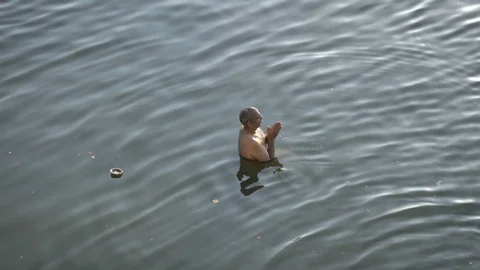
Sacred Godavari River
The "Ganga of the South" — where the sacred dip washes away karma and connects the mortal to the divine. The Ramkund ghat is the holiest bathing spot.
🔱
Trimbakeshwar Jyotirlinga
One of the 12 Jyotirlingas of Lord Shiva, located 28km from Nashik. The divine source of the Godavari river itself, making this the most sacred Kumbha ground.
🧘
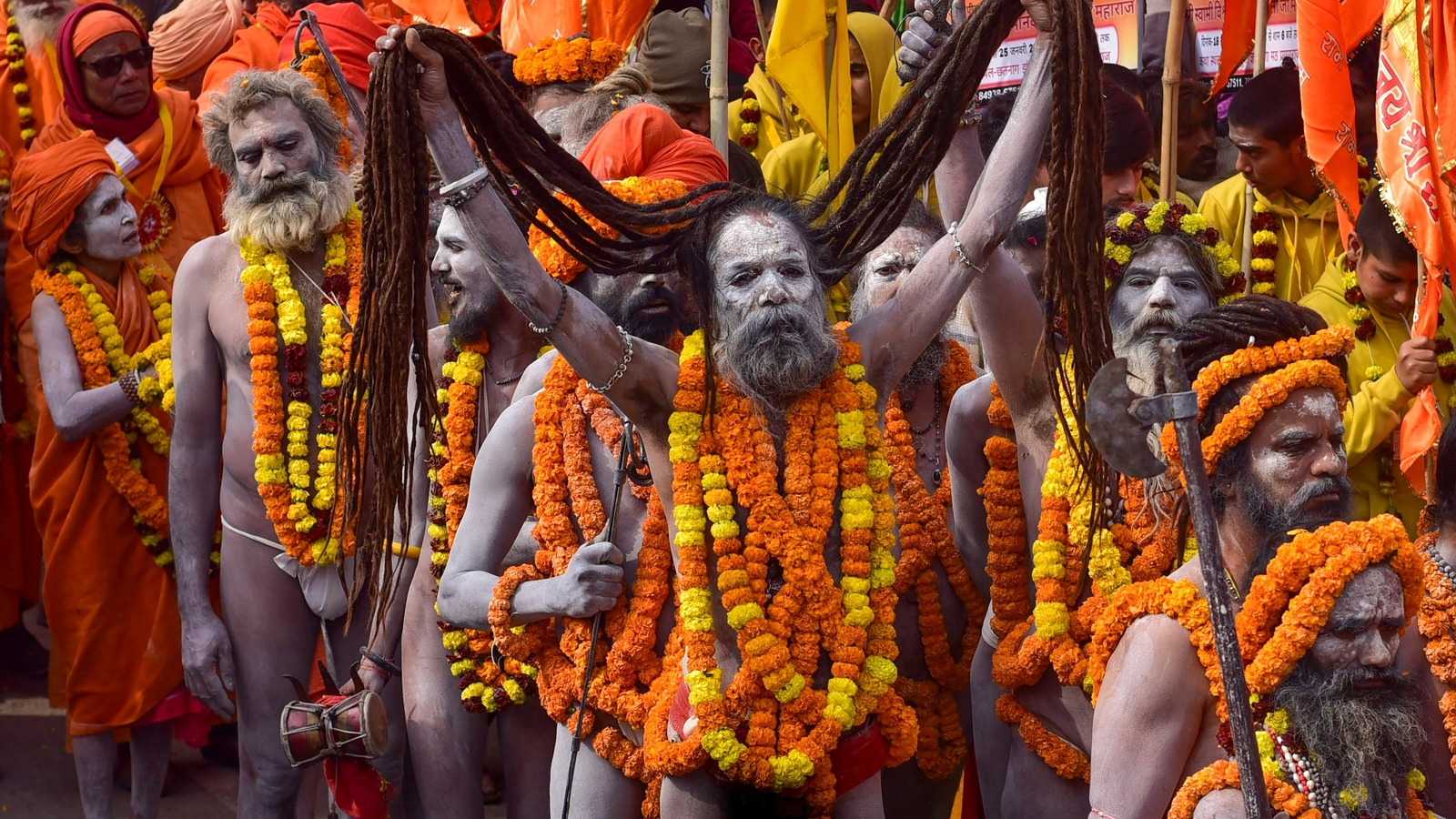
Naga Sadhus
Ash-covered ascetics who have renounced all worldly ties. Their appearance during Kumbha is considered the most auspicious sight a devotee can witness.
👑
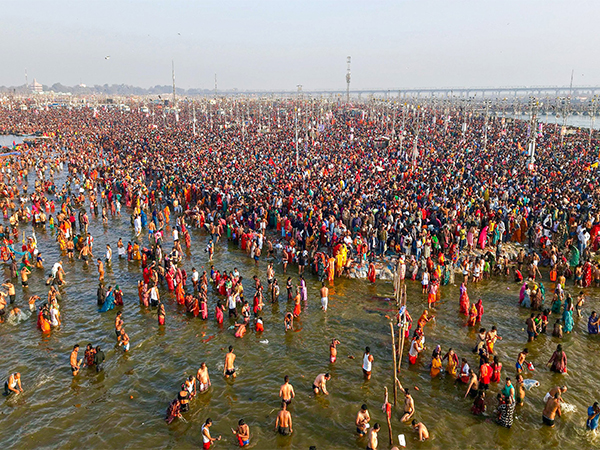
Shahi Snan (Royal Bath)
The crown jewel of Kumbha. Akharas process in grand processions before leading millions into the sacred waters for the most powerful ritual purification.